


Planning a trip gives a sense of incredible anticipation. You’ve got the tickets booked, the itinerary set, and the mindset is already shifting toward relaxation. But before you lock the door and head to the airport, think about this: for criminals, an empty house is a flashing neon sign. While you’re gone, your property is at its most vulnerable point. Gaining insight from professionals, particularly those with a background in Private Investigations, can shift your thinking from simple locking up to creating a comprehensive shield around your home.
Private investigations professionals are trained to spot vulnerabilities most homeowners overlook because they know exactly what looks “wrong” to someone assessing a property. Their goal is to make your home appear lived-in, secure, and completely uninteresting to anyone casing the neighbourhood. By thinking the way a private investigator does, you can recognise the small “tells” that signal a house is unoccupied. Taking a few strategic steps before you leave means you can enjoy your time away with confidence, knowing your property is protected from unwanted attention.
Private Investigations: Simple Ways to Make Your Home Look Occupied
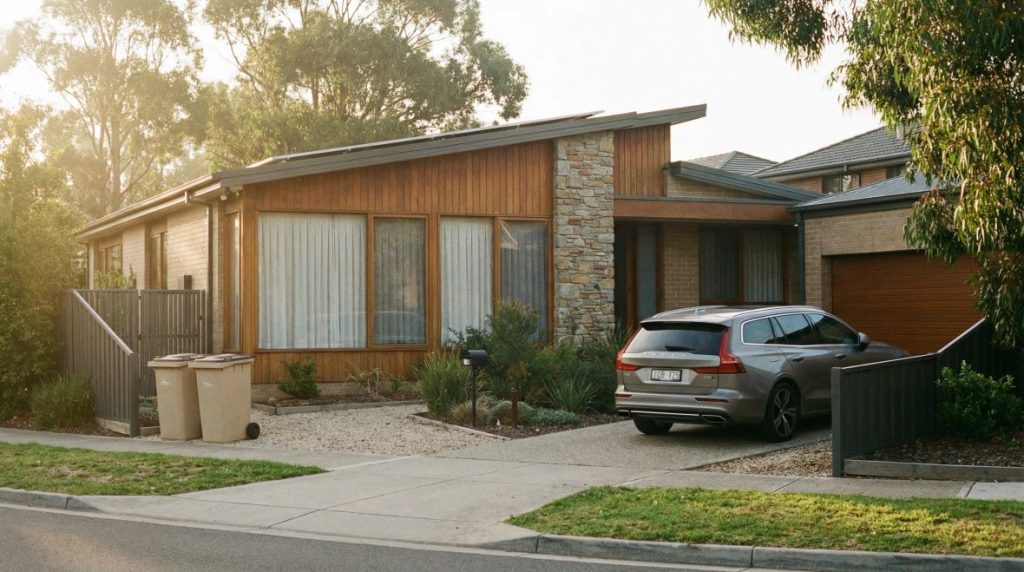
The goal when you leave is to create the illusion of normalcy. A house that looks untouched for days, with uncollected newspapers piled high, suggests easy pickings. You need to disrupt that visual message. Make it look like you just popped out to the shop, not that you are halfway around the world. Minor disturbances in your routine become telltale signs of absence to an observant eye.
Maintaining this appearance requires planning and a small amount of coordination before you leave. Private investigations professionals understand that visual cues are one of the strongest deterrents to crime. A well-maintained yard and a tidy porch signal that a home is being watched, prompting most burglars to move on to an easier target. Neglect is often the invitation they are looking for. By keeping your home looking lived in, you significantly reduce the risk of being targeted during the holiday rush.
Smart Tech and AI Home Sitters
Forget those old plug-in timers that turn the living room light on at 7 PM sharp every night. Modern security recognises the robotic pattern almost instantly. In 2025, many people are upgrading to intelligent lighting systems that use artificial intelligence to mimic genuine human behaviour. These systems learn your historical habits and replay them while you are away.
They don’t just turn a light on; they might turn the kitchen light on for an hour, switch off, and then turn a bedroom lamp on half an hour later. Some systems even simulate the flickering blue light of a television against the curtains. This variable, random pattern makes the house look authentically occupied rather than operating on a predictable, easily identified schedule. It is a minor adjustment, but it adds a layer of complexity that deters anyone watching the house.
Managing Deliveries and Mail
Nothing screams “I’m not home” faster than a stack of flyers or packages marring your front porch. You must stop the accumulation of evidence. If you receive daily newspapers or mail frequently, put a temporary stop on those services through the post office. For packages, you have a couple of good options in this era.
First, you can ask a trusted neighbour or friend to collect your mail daily so it stays out of sight. Second, many homeowners now use modern smart delivery boxes that bolt securely to their porches. Private investigations regularly show that unattended parcels are one of the most common signals used to identify an empty home. These secure boxes protect against porch pirates even if you miss a delivery while travelling. Requiring a code or key, they prevent casual grab-and-go theft while you enjoy your holiday with peace of mind.
Private Investigations: Security Strategies for Travelers
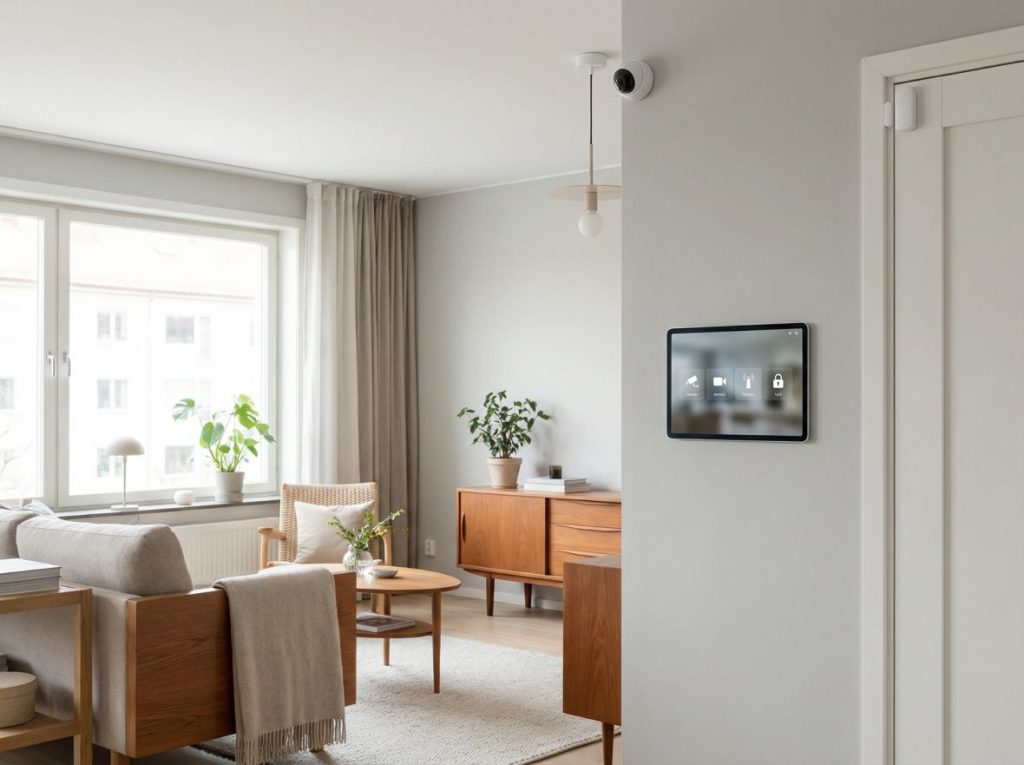
From a private investigations standpoint, adequate home protection is never about a single lock on the front door. Experienced private investigators use a layered security approach, where multiple safeguards overlap so that if one layer fails, another stops the intrusion. Think of it like an onion, each layer, from physical barriers to technology and social behaviour, forces a would-be intruder to work harder and increases the chance they move on.
Private investigations also consistently highlight digital behaviour as a weak point in home security. One of the most common mistakes investigators see is homeowners posting real-time holiday updates on social media, effectively announcing when their property is empty. A fundamental rule in professional security is simple: keep travel plans offline and share photos only after you return. What you don’t broadcast can be just as important as the locks you install.
Securing Windows and Garage Access
Everyone remembers to lock the front door, but what about the basement window or the seldom-used side door? Check every single latch before you leave. Pay special attention to windows on the ground floor, especially those obscured by bushes or out of direct view from the street. Furthermore, secure your garage properly.
Many people press the remote button to close the door and assume it’s locked. It isn’t. Physically ensure the garage door track is locked or secured with a bolt, and if you have expensive items like bicycles or power tools, move them deeper into the home or into a more secure storage space. Keep these items out of sight of ground-floor windows. If a thief can’t see the prize, they are less likely to risk the break-in.
The Role of Neighbours and Friends
Your local contacts are perhaps your best analog security system available. Telling a trusted, reliable neighbour you’ll be gone is vital. Be sure they know not just that you are gone, but who is supposed to be at the house. If you’ve hired a gardener, a pet sitter, or someone to water plants, make sure your neighbour knows who they are and what car they drive.
This way, if a stranger’s van pulls up, your neighbour recognises that person as unauthorised. They become your first line of defence against suspicious activity. Having someone stop by to move your trash cans in and out also adds to the illusion that life is continuing as usual.
Advanced Technology to Monitor Your Property
Security in 2025 involves more than just motion detectors that go off when a cat walks by. You should look at systems offering better connectivity and more innovative detection methods. Some high-end setups now use Wi-Fi sensing technology. This doesn’t just look for physical movement; it senses disturbances in the Wi-Fi signal caused by someone moving around inside the house. This can be far more accurate than simple infrared sensors and reduces false alarms.
Another major upgrade involves backup systems. What happens if a massive storm knocks out your local power grid or internet service? If your security relies only on Wi-Fi, you’ve lost your eyes and ears. Look for monitoring systems that include satellite backup or secondary cellular connections. This extra link keeps your home reporting its status even if the main line is cut or the neighbourhood service goes down.
When you review your security setup, confirm that you’ve activated Multi-Factor Authentication (MFA) on all accounts controlling door locks or cameras. As technology advances, so does the risk of unauthorised access through weak software logins. To gain further peace of mind regarding safety measures, it’s always smart to review how professionals approach surveillance. You can look into the details of professional counter surveillance to see the level of detail devoted to uncovering hidden threats, a mindset you can apply to your own residence.
Ensuring a Stress-Free Vacation
Protecting your home while you travel doesn’t have to be a source of anxiety. By following a simple checklist, you can secure your property and focus on your trip.
- Lock all windows and secondary access points, such as the garage.
- Enlist a neighbour to watch for unauthorised visitors.
- Manage deliveries so packages and mail don’t pile up.
- Use bright AI lighting to mimic real human activity patterns.
- Keep your travel updates off social media until you are back home.
Your travels should focus on enjoying new places, not worrying about your old ones. Applying these layered strategies will significantly reduce your property’s appeal to opportunistic thieves. Remember the basics of layered protection, and you set yourself up for absolute relaxation. Have an incredible, worry-free journey.


