


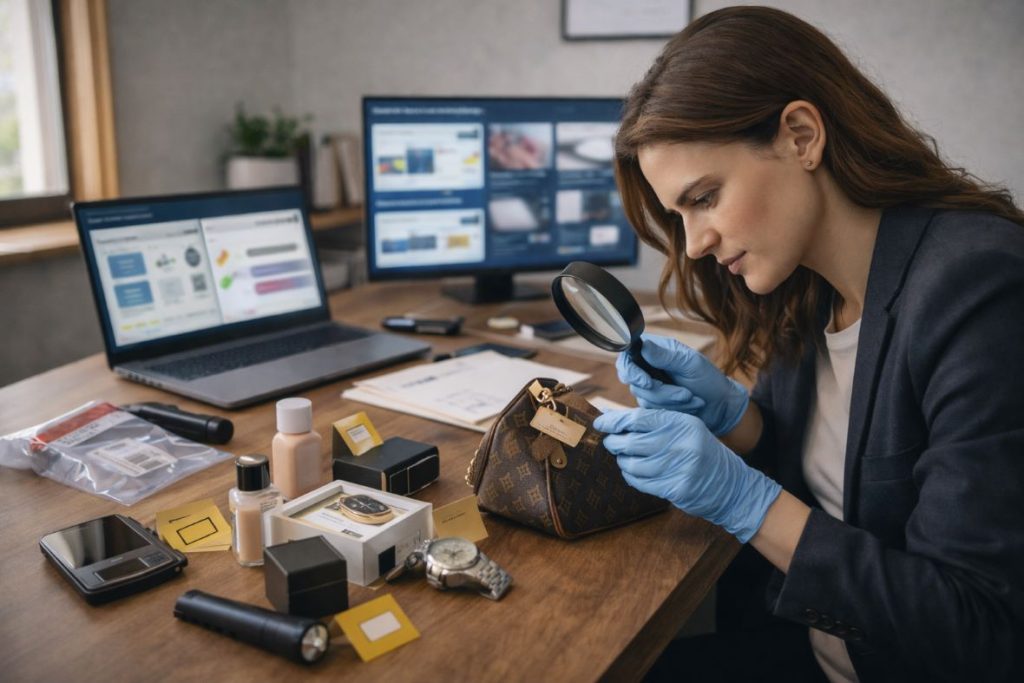
When you think of crime fighting, your mind might jump straight to police sirens and flashing lights. However, while law enforcement agencies manage a massive workload of violent crimes and public safety issues, another silent battle rages in the shadows of the marketplace. Counterfeiting Crimes strip billions of dollars from the global economy every year, damaging brand reputations and sometimes even endangering consumer health.
You might notice fake designer bags at a local market or suspicious electronics online, but the problem is much deeper than a few bad stalls. Many business owners start with a simple question: “Are fake products really a big issue, or is this just a few bad sellers?” Others wonder whether counterfeit goods are just cheap knockoffs or something far more serious. The reality is that counterfeiting is rarely isolated. If fake products are appearing in one place, there is almost always a wider operation behind them.
This is where private investigations step in to fill the gap. While police focus on high-priority street crimes, private investigators provide the dedicated focus and specialised expertise needed to track down the sources of fake goods. By acting as the eyes and ears for brands, these professionals help dismantle illicit networks that would otherwise operate with impunity.
How Private Investigators Identify Hidden Supply Chains
Hire Private investigators who specialise in working backward from retail points to find the heart of the operation, using a mix of traditional field surveillance and modern online monitoring. This expertise can give your audience confidence in the thoroughness of private investigations.
Private investigators specialise in working backward. Investigations often begin with controlled purchases of suspected counterfeit goods. Packaging, serial numbers, shipping methods, and quality inconsistencies all provide clues. From there, investigators track delivery routes, couriers, and repeat logistics patterns.
At this stage, business owners often ask, “Is it possible to trace fake goods back to a warehouse?” In many cases, yes. Mid-level distributors frequently use front businesses or shared storage facilities that appear legitimate on the surface. Through observation and intelligence gathering, investigators identify which locations function as distribution hubs rather than simple retail points.
This shift is critical. It moves attention away from small sellers and toward the people actually running and financing the operation.
Surveillance and Intelligence Gathering on the Ground
The physical work of tracking these crimes requires a high level of patience and discretion. You might imagine investigators tailing suspects across the city, and while that happens, much of the work involves static observation. Skilled investigators watch loading docks and logistics hubs from a distance, often using parked vehicles as mobile offices. They document every person entering the building and every crate loaded onto a truck.
They must remain completely unnoticed while doing this. If a counterfeiter suspects they are being watched, they will move their inventory overnight, and the trail goes cold. This is why professional investigators use low-profile vehicles and sophisticated cameras that can capture clear images from blocks away. It’s about building a visual record of the logistics trail, showing exactly which trucks go where and who is signing for the deliveries.
Using Digital Tools to Find Underground Sellers
In the modern world, the supply chain isn’t just physical; it’s digital. Investigators spend significant time tracking illicit sales across social media platforms and hidden marketplaces. They use specialised software to monitor keywords and image signatures that indicate the sale of fake goods. This digital footprint often reveals connections between seemingly unrelated sellers across different parts of the country.
By creating undercover profiles, investigators can interact with these sellers and gather shipping data or payment information. This information is often the key to methods for tracking people with mobile tools and identifying the actual names behind anonymous usernames. Mapping these digital connections allows a brand to see the full scope of the threat, from the first Instagram post to the final doorstep delivery.
Protecting Brand Value Through Detailed Evidence
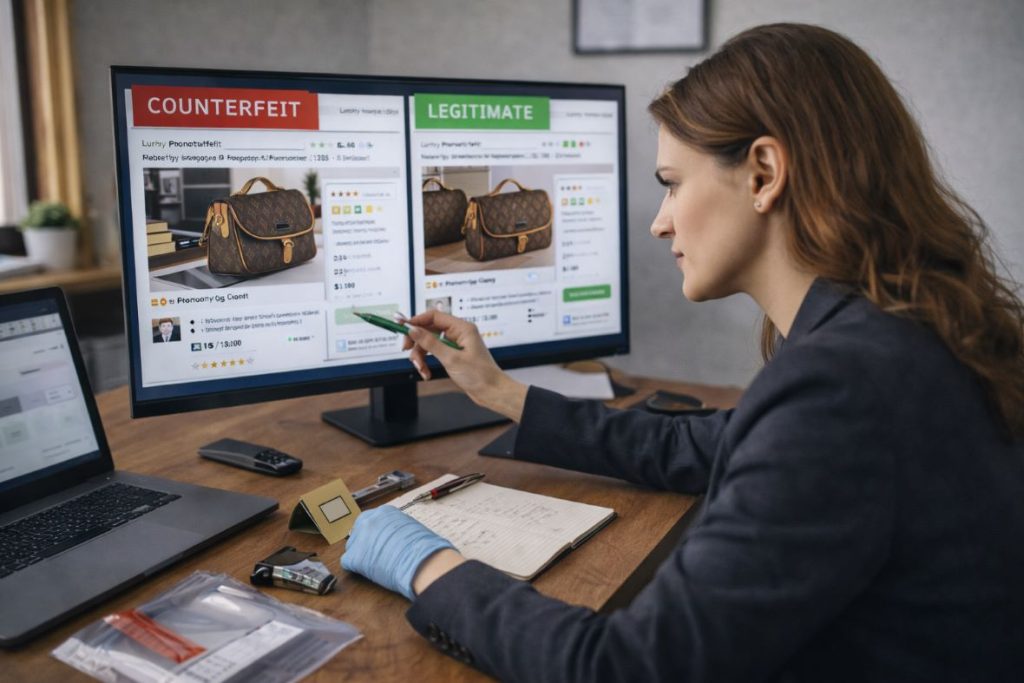
When a company decides to take legal action against counterfeiters, it needs more than a hunch; it needs a mountain of proof. The detailed evidence gathered during private investigations builds trust in the process and reassures your audience that their case will be solid and credible.
Professional reports include a timeline of events, verified addresses, and clear links between different suspects. Without this level of detail, it is challenging to convince law enforcement to execute a search warrant or a raid. Since police resources are stretched thin, they are much more likely to take a case if most of the investigative “heavy lifting” has already been done for them.
Beyond criminal prosecution, this evidence is used in civil courts to seek damages. If you can prove that a specific warehouse has been moving thousands of counterfeit units, the financial penalties for the perpetrators can be staggering. A strong case also serves as a deterrent. When counterfeiters realise that a brand is actively using investigators to protect its intellectual property, they often move on to an easier target. You can learn more about how specialists handle different types of cases by reading a guide to private investigation services.
Documenting Every Step of the Investigation
Counterfeiting cases often fail not because the crime did not occur, but because the evidence was poorly handled. Investigators maintain strict documentation standards from day one.
Every item is logged, every photo time-stamped, and every interaction recorded. Witness statements, including those from former employees or neighbouring businesses, are documented carefully. This ensures the chain of custody remains intact and prevents cases from falling apart later.
For businesses asking “What stops counterfeiting cases from collapsing legally?”, the answer is almost always proper documentation.
Counterfeiting Crime Protection
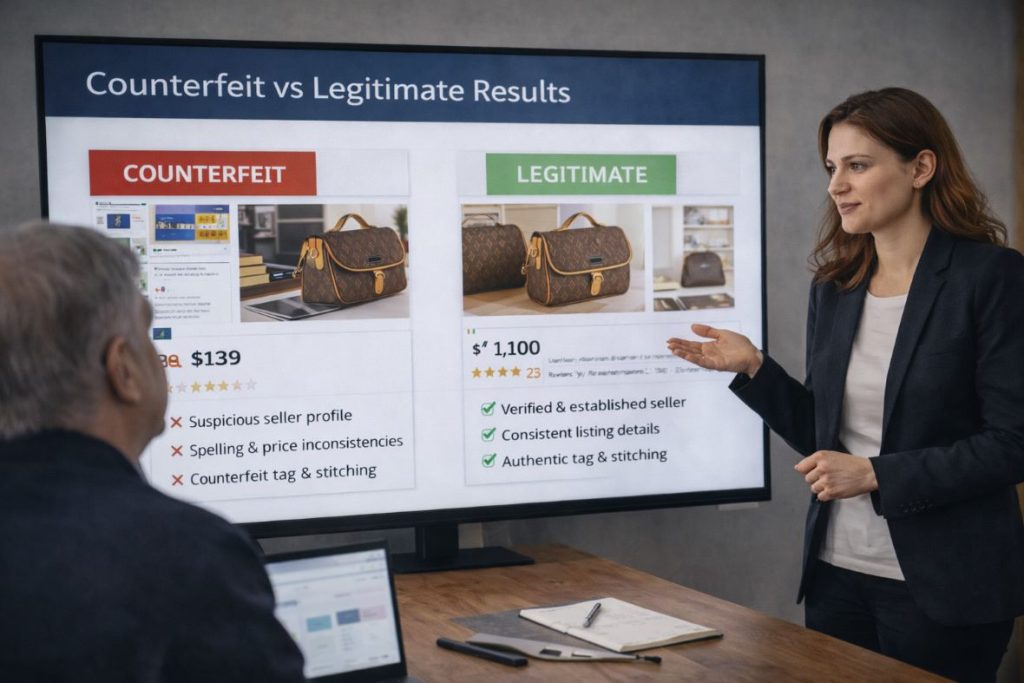
At a certain point, businesses stop asking whether counterfeiting is a problem and start asking, “What happens if a brand ignores counterfeit activity?” The answer is rarely positive. Brand trust erodes, customers lose confidence, and counterfeiters grow bolder.
Private investigations act as the bridge between noticing a problem and actually solving it. By uncovering supply chains, documenting operations, and preparing evidence that supports enforcement or civil action, investigators help brands regain control.
Many decision-makers also want clarity on expectations: “How long does a counterfeiting investigation take?” and “Is it worth hiring an investigator for fake products?” While timelines vary based on complexity, proactive investigations almost always cost less than the long-term damage caused by inaction.
If counterfeit goods are targeting your brand, waiting only allows the network to grow stronger. A professional investigation provides the intelligence and evidence you need to protect your reputation, your customers, and your bottom line.
Answers to Common Questions About Counterfeiting Investigations
Can a private investigator help if fake goods are sold online?
Yes. Most modern investigations involve a heavy digital component. Investigators use specialised tools to track online sellers, identify their physical locations through shipping data, and document the sale of fake items on social media and e-commerce platforms.
Is it legal for a private investigator to track these crimes?
It is entirely legal as long as the investigator stays within the law. Licensed professionals know how to conduct surveillance, perform undercover buys, and gather public records without violating privacy regulations or trespassing. How long does a typical counterfeiting investigation take?
The timeline depends on the complexity of the supply chain. A simple local retail check might take a few days, but dismantling a whole distribution network can take several weeks or even months of careful data gathering. You should review the PI service rates and fees guide to understand how project duration affects the budget.


