


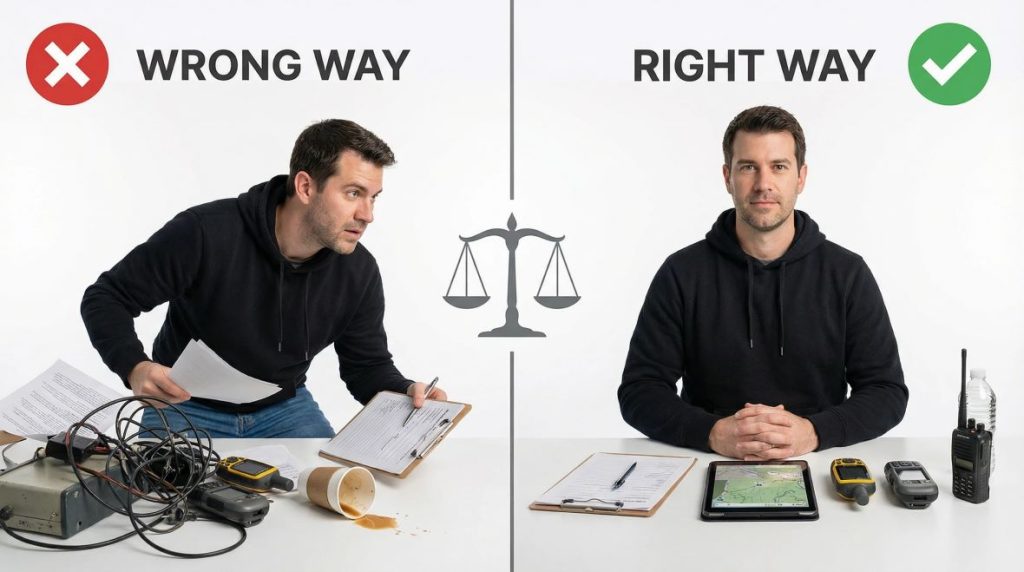
In 2025, Private investigation work in Australia felt different for many families because privacy expectations tightened and enforcement got sharper. The practical result is simple: good investigators now document more, collect less, and protect what they hold, as it could end up in court.
When someone you love goes missing after a major incident, your brain wants speed. You want answers today, not in weeks. At the same time, you don’t want a rushed search to cross a legal line and damage the case later.
This is general information, not legal advice. You’ll learn what a Private Investigator can and can’t do now, what you can safely share, and how to choose someone who stays compliant while moving fast.
What changed in 2025, and why it matters when you hire a Private Investigator
The most significant shift you’ll notice is that privacy is no longer a side issue to be dealt with later. It shapes the search from day one.
In late 2024, Australia’s federal privacy settings changed through amendments to the Privacy Act 1988, and in 2025, many investigators and businesses adjusted their day-to-day habits. Higher penalties and greater regulatory scrutiny made “quiet shortcuts” far riskier. If someone offers you results based on restricted data they can’t explain, that’s a warning sign, not a benefit.
For a missing-person search, this shows up in practical ways:
- Phone records: You can’t expect an investigator to “pull call logs.” Telco access is tightly controlled, and lawful access is usually handled through police processes.
- CCTV: Footage is often available, but releases are usually limited. A compliant approach focuses on quickly identifying camera locations, then seeking footage through the owner’s process or, when needed, via police.
- Social media and location clues: Open posts and public tags can help, but private account access, account takeovers, and “friend request traps” can backfire.
- Witnesses: Talking to people is still core work, but notes, consent, and careful wording matter more than ever.
A skilled private investigator approaches your case with the understanding that it may need to be presented as evidence later. This involves collecting information legally, keeping detailed notes, and making decisions that can be justified if required. Using lawful search methods, particularly for finding missing persons in Australia, provides a clear picture of what contemporary legal fieldwork entails.
Private data is more complex to access, so legal pathways matter more
A Private Investigator can’t legally access bank records, detailed telco data, government files, or travel movement records just because you’re worried and paying for help. If someone claims they can, ask how, in writing.
In practice, lawful access usually comes from:
- Your consent and authority (for information you control).
- Publicly available sources (open web material, public registers where access is permitted, public posts).
- Information you provide (names, photos, devices, account handles, last known details).
- Proper channels must be followed when police or other agencies are involved, especially when compulsory powers are required.
If your search crosses borders (state, territory, or overseas), extra care is needed. Rules vary, and what’s acceptable in one place can be restricted in another, especially around recording, surveillance, and disclosure.
Stronger record keeping, secure storage, and careful sharing of information
In 2025, professional investigators increasingly follow best-practice ideas that mirror government-grade investigation standards: plan the work, document decisions, and protect information end-to-end.
In plain terms, you should expect:
- A written plan that can change as leads change.
- Documented decisions (why a lead was pursued or dropped).
- Secure systems for case files, with controlled access.
- A clean chain of custody for items like messages, screenshots, photos, and videos so they can’t be challenged later.
- Need-to-know sharing, especially when sensitive sources or methods could be exposed.
The privacy rules that shape what investigators can do in 2025
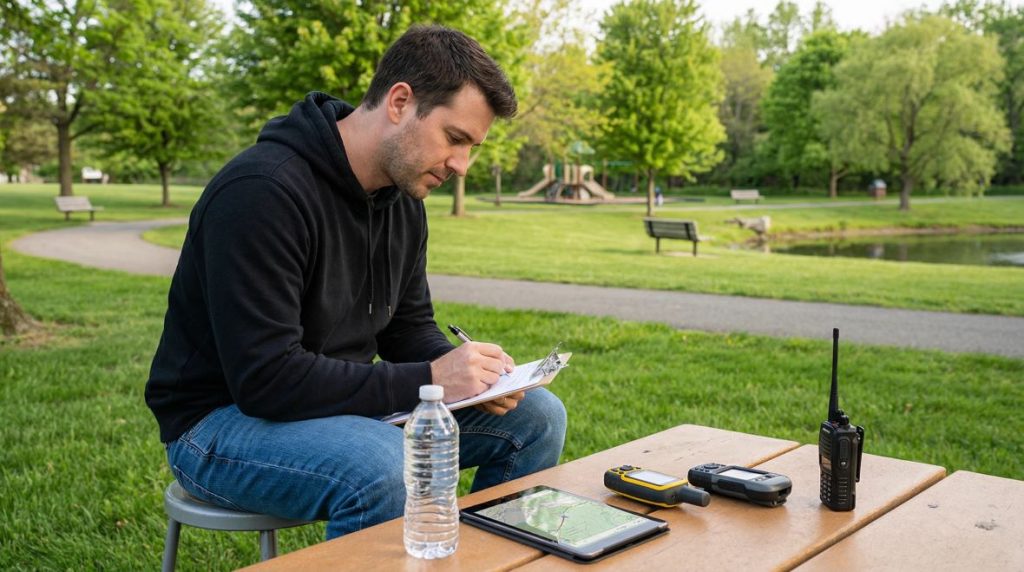
You don’t need to memorise legislation, but it helps to know what’s driving the “no, we can’t do that” answers.
Here are the key legal pressures that shape investigations now:
Privacy Act 1988 (Cth)
This is the big one for handling personal information. For you, it means a careful investigator should collect only what’s needed for the search, explain why it’s needed, store it securely, limit who sees it, and keep it only as long as necessary.
Secrecy and confidentiality limits
Secrecy provisions or confidentiality duties protect some information. Even if data exists, it may not be lawful for an organisation to hand it over to a private party. Your investigator should be ready to work around that using lawful alternatives.
Surveillance and tracking boundaries
Surveillance and listening rules often come from state and territory laws, and the details vary. A careful investigator won’t “just record everything” or plant trackers because you’re scared. They’ll explain what’s permitted where the search is happening.
Evidence and admissibility pressures
If your matter later becomes a criminal or court issue, information gathered improperly can create problems. Good investigators consider usability early, preserve originals, avoid contamination, and keep notes documenting how each item was obtained.
Privacy Act obligations, consent, and minimising what you collect
A compliant Private Investigator should be able to tell you, in simple words:
- What are they collecting?
- Why do they need it?
- Where it will be stored,
- Who can access it?
- When will be deleted, returned, or archived?
You can usually provide these items safely to help the search move faster:
- a recent photo and a clear physical description
- full name, nicknames, and date of birth (if known)
- last known location, time, and travel plan
- phone numbers, email addresses, and social handles you already know
- a simple timeline of events and key contacts
- any messages that suggest risk (screenshots plus originals if possible)
What you should not try to obtain yourself:
- hacking or password guessing
- impersonating your loved one or a bank, telco, or agency
- buying leaked data sets
- pressuring staff to “break policy” for you
Those choices can create legal risk and poison leads.
Surveillance, tracking, and online research: what is allowed vs risky
There’s a lawful version of surveillance, and there’s the version that blows up a case.
Generally safer and more defensible:
- Observation in public places, without harassment or trespass
- Canvassing (speaking to people politely, recording details accurately)
- Open-source research using public posts, public photos, and open event listings
- Checking locations your loved one is likely to visit (hospitals, shelters) through proper contact points and consent-driven sharing
Common high-risk areas:
- Recording conversations without understanding local rules
- Using GPS trackers without apparent legal authority or consent
- Entering private property to get “one quick look”
- Creating fake profiles to access private accounts
A good Private Investigator sets these boundaries up front and gets clear written instructions, plus permission where required.
Work with a Private Investigator to find someone faster, without breaking privacy laws

Speed still matters, but in 2025, you get speed through preparation, not shortcuts.
Start with three things:
- A clean timeline (last confirmed contact, last known location, who saw them, and when).
- Consent-ready documents you can lawfully provide (photos, device details you own, messages you received).
- A list of immediate risks (medical needs, threats, weather exposure, known conflict).
Your investigator should then produce a simple plan: what they’ll do in the first 24 to 72 hours, what sources they’ll use, what evidence they’ll preserve, and when they’ll update you. Strong practice also includes a basic risk check (for safety, privacy, and reputational harm) and documented decisions so the work stays accountable.
If police are involved, your investigator should avoid interference. The goal is support, not competition.
What to ask before you sign, so your case stays clean and usable
Ask these questions, and pay attention to how clearly you get answers:
- What sources will you use, and which ones are off-limits?
- How will you get consent when it’s required?
- How do you store case files, and who can access them?
- How do you handle sensitive tips from the public?
- How do you preserve evidence like screenshots, messages, and videos?
- Do you use specialist services (e.g., surveillance, technical work), and what rules govern them?
- How will you avoid compromising police activity?
- Will you promise access to restricted databases, or will you explain lawful pathways?
Credible investigators don’t sell fantasies. They explain the process.
How information sharing works with police, agencies, and third parties
Information sharing must comply with privacy rules and any secrecy limits that apply to the holder of the information. In multi-agency situations, clear roles help, sometimes with written arrangements (like an MoU), so everyone knows who collects what and how it’s stored.
It also helps to understand “disclosure” in everyday terms: good notes matter. If your matter later becomes a legal process, records may need to be produced, and how something was obtained can matter as much as what it says. Some material can be protected in limited cases (for example, legal professional privilege), but your investigator shouldn’t guess; they should manage it carefully and document decisions.
Elevate Your Privacy Protection
2025 raised the bar for privacy compliance, and it changed what you should expect from a Private Investigator. The best help is careful help: lawful collection, secure handling, and clear records you can stand behind later.
Your next calm step is practical. Write a timeline, gather what you can share legally, and file a police report if the situation warrants it. Then choose an investigator who can explain limits without dodging, and who treats your family’s information like it’s sensitive, because it is.
Frequently Asked Questions
What are the main changes in private investigation laws in 2025?
In 2025, privacy regulations have become more stringent, affecting how investigators access and handle data. Investigators now must follow lawful pathways, such as obtaining consent, using publicly available information, or working through proper channels, such as the police, when necessary.
What should I know about social media and private information?
Open social media posts and public tags can be helpful in investigations. However, accessing private accounts or attempting to take over accounts is illegal and can jeopardise the case.
How can I ensure my privacy is protected during an investigation?
Choose a reputable investigator who follows legal procedures, obtains necessary consents, documents all actions thoroughly, and stores information securely. Avoid sharing sensitive data unless explicitly advised that it is safe to do so.


