


With stolen property cases rising across Australia, victims are discovering that traditional recovery methods often move too slowly to keep up with today’s fast-moving thieves. Stolen items can be hidden, resold, or shifted across suburbs within hours, leaving many people feeling powerless and without answers. Private investigators now play a crucial role in solving these cases, using a mix of fast action, digital tracking, community intelligence, and lawful surveillance to locate missing property sooner and more successfully than standard procedures allow.
How Stolen Items Are Located Faster Through Private Investigator Insight
With theft cases increasing across Australia, many victims say they feel stuck waiting for updates that never arrive. A private investigator can step in quickly, follow leads others miss, and locate stolen property using private investigator’s legal techniques that move faster than standard processes. As thieves become more organised and digital marketplaces grow, expert insight has never been more important.
Why Stolen Items Are Hard to Recover Today

Recovering stolen items is more challenging than ever because thieves are smarter, faster, and heavily connected to online and offline networks. Once something is stolen, the offender may hide it in a storage unit, sell it through social media groups, break it down into parts, or pass it through multiple people to avoid being traced. Items like tools, electronics, jewellery, bikes, scooters, and even vehicles can be transported across suburbs or interstate in a day.
Digital resale platforms such as Facebook Marketplace, Gumtree, and encrypted buy-and-sell channels add another layer of difficulty. Thieves can create fake accounts, hide their location, and list items under vague descriptions. As a result, everyday victims often find themselves with incomplete information, slow updates, and no clear direction. In contrast, private investigators examine behaviour patterns, digital trails, and offline movements in ways the average person cannot. They move quickly and can identify red flags long before the property shifts again.
How Private Investigators Begin the Recovery Process
A private investigator starts by gathering as much information as possible, including the item type, last known location, potential suspects, timestamps, and digital evidence. This information helps establish a clear baseline for the investigation. The PI then analyses the environment surrounding the theft, which may include CCTV availability, known theft hotspots, and common offender patterns in the area. By doing this, they can quickly determine whether the theft was opportunistic or planned.
After establishing the starting point, investigators follow multiple lines of inquiry. They may check public surveillance systems, speak with neighbours, contact nearby businesses, or review footage from cameras positioned on streets or shopfronts. These early steps help build a timeline, allowing them to identify behaviours that do not match usual activity. Because PIs focus solely on the case, they can dedicate more time and attention to small details that might otherwise be overlooked.
Investigating the Suspect: Behaviour, Movements, and Red Flags
If a person of interest is involved, a private investigator reviews their recent movements, relationships, and interactions. This helps determine whether they had the opportunity or motive to take the property. Many theft cases involve someone connected to the victim, such as a neighbour, tradesperson, ex-partner, or even a distant acquaintance. Investigators look for inconsistencies in stories, unusual behaviour after the theft, and sudden changes in routine.
Surveillance may be used to confirm whether the suspect is moving items late at night, visiting unfamiliar storage locations, or meeting with known offenders. Because PIs follow strict legal boundaries, they conduct surveillance only in public spaces and never trespass or invade private areas. This legal approach makes the collected evidence stronger, safer, and acceptable in court if the case progresses.
Common Stolen Items Private Investigators Recover
Private investigators are called to recover a wide range of stolen property. These often include:
- Phones, laptops, and personal electronics
- Tools and work equipment
- Motorbikes, e-bikes, and scooters
- Vehicles
- Jewellery and sentimental family items
- Business stock or assets
- Important documents
- Bags, wallets, and identification
Stolen items with serial numbers, unique markings, or digital tracking capabilities are especially strong candidates for recovery. Even when items lack distinguishing details, investigators can still locate them through behavioural tracking, digital monitoring, and interviews.
How Private Investigators Use Technology to Locate Stolen Items
Technology plays a major role in modern recovery efforts. Many stolen items leave digital footprints through GPS signals, Bluetooth tracking networks, or hidden software. Even if the victim believes the device is gone, a PI may still be able to locate it using serial number lookups, IMEI tracking, or last-known digital activity.
Investigators also search online selling platforms for listings that match the item’s description. They use reverse image searches to find copied photos, examine seller patterns, and track unusual price changes or suspicious accounts. Because they understand how thieves operate online, they can detect padded descriptions, disguised listings, or coded resale language that is common in underground markets.
In some cases, a stolen item may appear in pawn shops or second-hand stores. PIs often have existing knowledge of these locations and know how to legally request information without compromising the investigation.
Community Connections and Fieldwork
Private investigators frequently gather information by speaking with people around the area where the item was stolen. They talk to neighbours, tradespeople, delivery drivers, or even volunteers in community groups. Many theft cases are solved when someone remembers seeing an unfamiliar vehicle, a suspicious person, or unusual behaviour around the home or business.
Because PIs approach these conversations professionally, people often feel more comfortable sharing information. They remain discreet and avoid drawing unnecessary attention to the victim. This community-based method often uncovers leads that digital tools cannot.
What Private Investigators Cannot Legally Do
A PI cannot break the law to solve a case. They must follow strict surveillance, privacy, and evidence rules in every Australian state. This means they cannot trespass on private property, hack phones or social media accounts, plant illegal GPS trackers on a vehicle you do not own, impersonate government staff, or access personal bank records. They also cannot enter buildings, houses, or locked areas without permission.
These limits protect both the investigator and the client. Illegal actions not only risk fines or charges but also make any discovered evidence unusable. Courts will not accept material obtained through hacking, trespassing, or unauthorised tracking. Knowing what a PI cannot do helps clients understand why hiring a licensed investigator is important for legal safety.
Why the Legal Process Matters for Stolen Property Cases
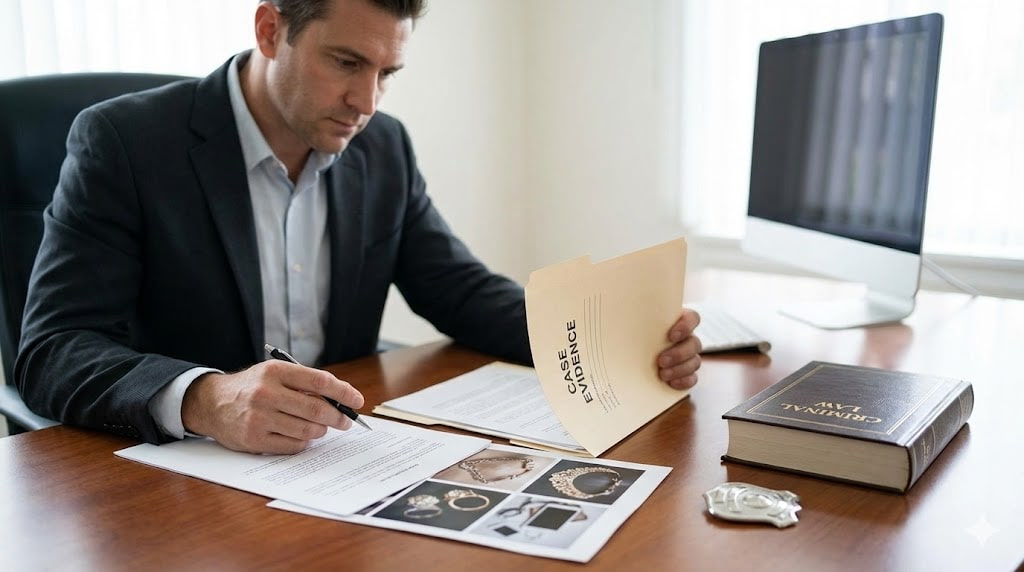
Every state in Australia has specific regulations for licensing and surveillance. A PI must follow the rules within the state where the theft occurred. This ensures that any evidence collected will be considered lawful and reliable. If the investigation uncovers a suspect or illegal activity, a PI can provide clear, well-documented information to police or legal representatives.
Operating within legal limits is important because many stolen property cases involve multiple parties, some of whom may deny involvement. Properly gathered evidence ensures that misleading claims cannot undermine the case. It also prevents delays once legal action begins.
How Investigators Locate Stolen Items Faster
A private investigator blends technology, field observations, and behavioural analysis to track down stolen items. Their process usually begins with gathering initial information, such as the item type, any unique identifiers, and the last known location. They then examine surveillance footage if available, monitor digital listings for matching items, and speak with people who may have seen something unusual.
Because investigators can dedicate their time exclusively to the case, they are able to operate outside government timelines. They work in real time, which is critical when property can change hands multiple times in a single day. This speed often leads to identifying suspects, recovering items, or determining exact locations before they are moved again.
Evidence Admissibility: What Courts Will Accept
Courts in Australia require evidence that is clear, legal, and verifiable. A private investigator ensures that every piece of information collected meets these standards. Video evidence must include accurate timestamps. Digital findings must be documented with their source and method. Statements must come from identifiable witnesses. Any step taken outside the law can make evidence inadmissible, weakening the client’s case.
Private investigators follow strict procedures to protect the integrity of the material. This allows the evidence to be used in civil disputes, insurance claims, criminal reports, or court proceedings. Their documentation is detailed and objective, which strengthens the client’s position.
Why Hiring a Private Investigator Makes a Difference
A private investigator offers fast action, legal expertise, and resourceful problem-solving. They know how thieves think, where items are most likely to appear, and how to track suspects without compromising the investigation. They also protect your legal rights and gather evidence that authorities and courts trust.
When something valuable has been stolen, time is critical. With professional guidance, lawful strategies, and a clear investigative process, a private investigator gives you the strongest chance of recovering your property before it disappears for good.
If something has gone missing, don’t wait. Early action can make all the difference.


