


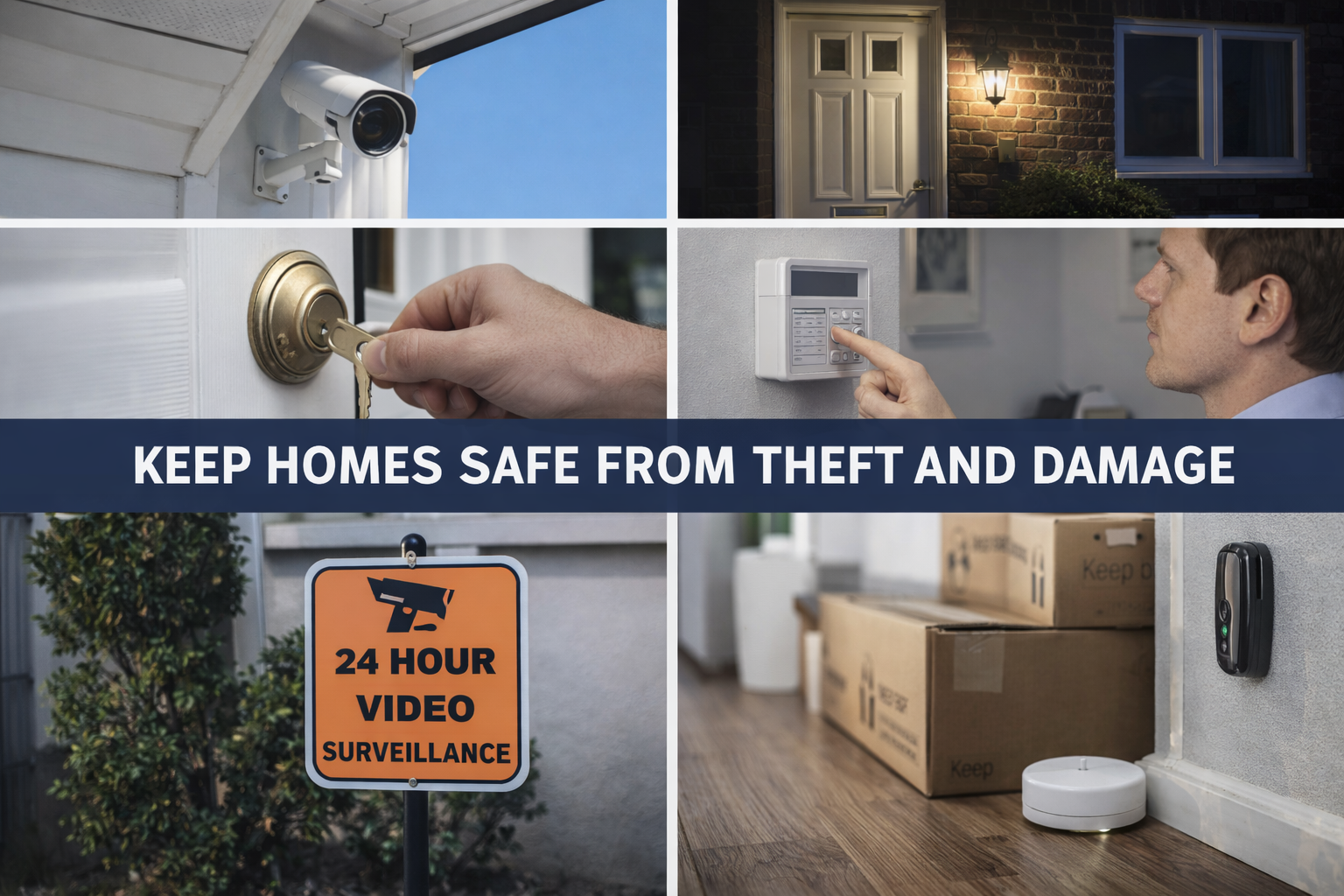
Most people protect their home with the basics: locks, a doorbell camera, and maybe a monitored alarm. That’s a solid start. But burglars rarely “attack the front door” like a movie. They look for opportunity the quickest, quietest path in and out.
Australian crime-prevention research has long noted that two factors strongly shape a burglar’s decision: how visible the premises are to others (“surveillability”) and whether the home appears occupied. A private investigator in Melbourne specialising in theft cases evaluates your property like a potential target and assists you in addressing vulnerabilities to prevent theft or damage before it happens.
In NSW, if you’re hiring a PI for any investigation/surveillance work, check they hold the correct licence class (Class 2E).
Spotting Weak Points Before a Thief Does
A lot of break-ins are “quiet wins”: hidden side-entry, poor visibility, or an unlocked secondary structure. NSW Police’s residential safety guidance is blunt about common vulnerability indicators, overgrown shrubs that provide concealment, unsecured fences and gates, and poor sight lines around doors and windows.
A PI’s on-site security sweep typically focuses on exactly those opportunity cues:
- Concealment (shrubs/trees, dark corners, blind spots)
- Access (secondary doors, side gates, sheds/garages)
- Visibility (can neighbours or passers-by see activity?)
- “Occupied” signals (what makes the home look empty or unattended?)
This approach aligns with CPTED (Crime Prevention Through Environmental Design), which NSW Police promotes as a strategy that reduces opportunity for crime using design and place-management principles.
Checking Your House for Secret Entry Points
Have you ever thought about how easy it is to bypass a garage door? Many older systems have a manual release cord that someone can trigger from the outside with a simple coat hanger. A Private Investigator looks for these specific technical gaps. They check side gates that might have an outside-accessible latch. They even look at your pet doors. A large dog door is often a literal “open door” for a small intruder or a tool-wielding thief.
Investigators essentially “work the job” in their heads as they walk around. They ask themselves if they could get inside in under thirty seconds. If the answer is yes, they show you exactly how. This perspective is vital because it exposes habits you might not realise are dangerous. For example, leaving a ladder in the backyard makes the second-story windows an easy target. By identifying these “invitations,” the PI helps you shut down the route before a thief even steps on your grass.
Finding Hidden Cameras or Listening Devices
The threat of Theft and Damage isn’t always about someone grabbing your television. Sometimes, the damage is much more personal, involving your privacy. If you’ve been through a messy legal battle or have a high-profile job, someone might be spying on you. A PI uses specialised tools to scan for hidden cameras or “bugs” inside your home. These devices are incredibly small nowadays. They can be hidden in smoke detectors, wall outlets, or even clocks.
Regular people usually miss these items because they look like everyday objects. A PI, on the other hand, uses radio frequency detectors and thermal imaging to find them. Spying is often the first step in a larger theft plan. If someone knows when you’re leaving or where you keep your valuables, they can move with total confidence. By clearing your home of listening devices, an investigator stops the information leak. This protects your family and your assets from a very sophisticated type of intrusion.
Reducing the Risk of Damage From Inside and Out
If you’ve already had a break-in (or an attempt), the next few weeks matter. Australian research on repeat victimisation notes that when repeat offences happen, they tend to happen quickly, so prevention measures need to be put in place fast to be effective.
This is where a PI-style “post-incident hardening” plan can help: tighten entry points, improve visibility, and confirm whether the offender tested other routes. Programs built on security assessments, along with practical upgrades, have shown positive outcomes in Australian evaluations (for example, a government-funded ACT program that used security assessments and targeted modifications to improve household security and reduce the risk of re-victimisation).
Running Background Checks on Domestic Staff
Theft and damage aren’t always “stranger danger.” Sometimes the risk is a bad hire: a contractor, cleaner, house-sitter, or someone with access to keys and routines.
A private investigator in Melbourne can support lawful screening by using formal pathways rather than “internet guesswork.” In Australia, the ACIC’s National Police Checking Service provides Nationally Coordinated Criminal History Checks used for employment and positions of trust. It also matters to understand limits: an ACIC check is a point-in-time result, not a permanent guarantee.
If the role involves child-related work in NSW, Working With Children Check (WWCC) requirements and employer verification obligations apply.
Monitoring Your Property While You Travel
Empty homes get targeted, especially when the house looks empty. NSW Police explicitly warns that thieves target empty homes during holiday periods if they suspect people have gone away or if the house appears empty.
A private investigator's style “travel watch” focuses on the signals offenders look for:
| Service Provided | Importance Level | Benefit |
| Perimeter Integrity Check | High | Stops burglars from testing entry points. |
| Mail and Package Clearing | Medium | Removes the “nobody is home” signal. |
| Utility and Leak Inspection | High | Prevents massive water or gas damage. |
| Neighbor Interviews | Medium | Identifies suspicious cars or people in the area. |
Having a professional eye on your property prevents small issues from becoming catastrophes. A quick weekly walkthrough can catch a broken window before a storm ruins your floors. It also ensures that any potential Theft and Damage is caught early enough to involve the authorities.
Gathering Evidence After a Property Crime
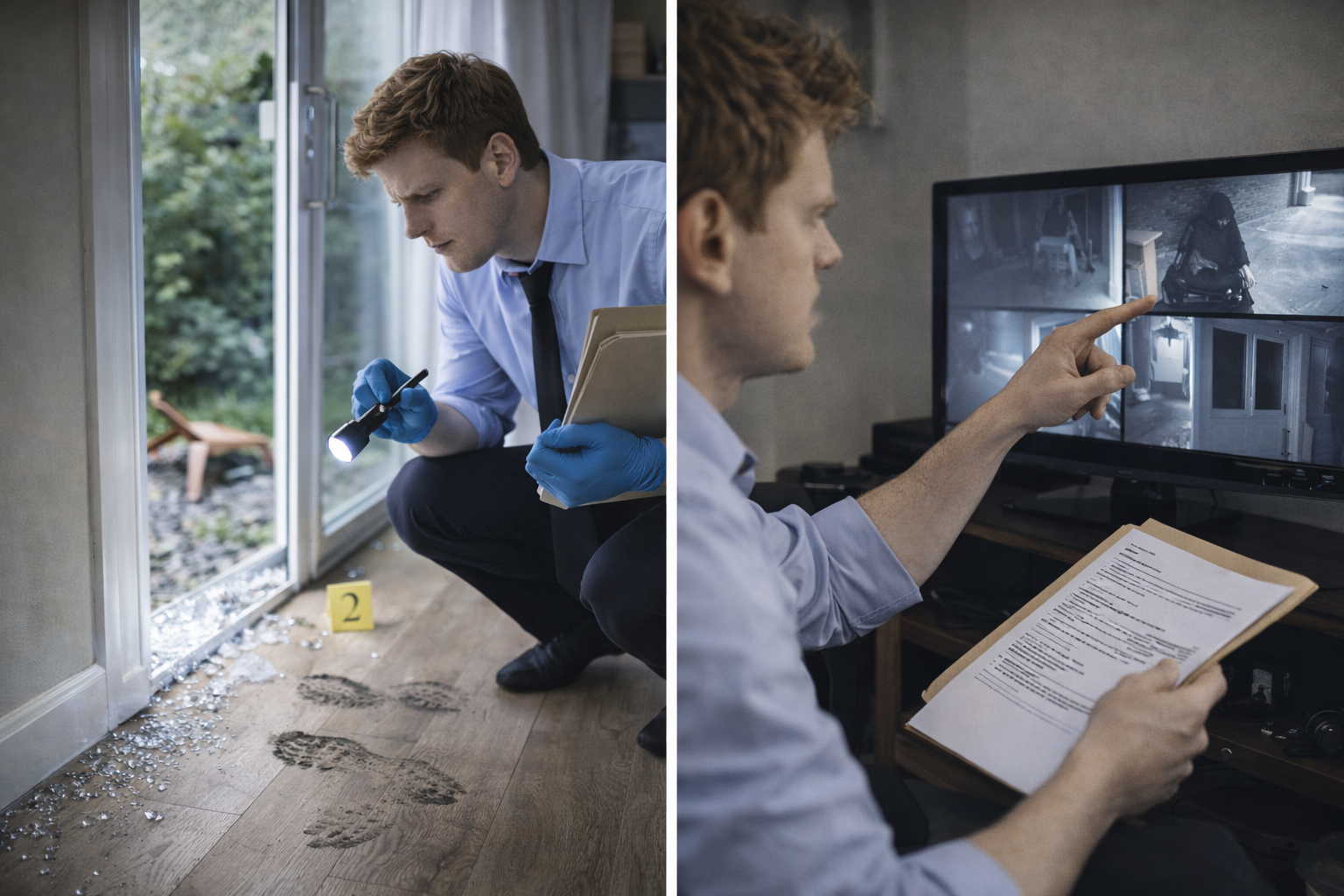
If a theft or break-and-enter has already happened, early steps affect outcomes. NSW Police guidance advises reporting promptly, gathering identifying details of stolen items (like serial numbers), and avoiding touching potential evidence (damaged locks/items that may contain fingerprints/DNA) until police arrive.
A PI can then assist by organising lawful follow-up, including neighbourhood CCTV enquiries, structured timelines, witness-style notes, and clear documentation that’s easier for the police to act on.
Tracking Down Stolen Items Near You
Most thieves don’t keep what they steal for long. They want to turn it into cash immediately. A Private Investigator knows exactly where to look. They monitor local pawn shops, online marketplaces, and “underground” sale sites. If your unique jewellery or high-end electronics are stolen, you can alert the police and help you get them back. They understand the legal requirements for proof, so they document everything carefully.
They also help build a solid case for the local authorities to act on. Most officers want to help, but they need sufficient evidence to justify a search warrant or an arrest. When a PI presents a neat folder with photos, witness statements, and links to online ads, it makes the job much easier for the police. This collaboration increases your chances of a successful recovery and ensures the culprit is held responsible for the Theft and Damage they caused.
Keeping Your Peace of Mind Intact
Protecting your home is a full-time job. While technology makes it easier, nothing replaces the intuition and experience of a human expert. A Private Investigator helps you see the world through a different lens. They find the weak locks, the hidden bugs, and questionable backgrounds that put your home at risk. By acting as a shield, they prevent the trauma that comes with a break-in or ruined property.
You don’t have to wait for a disaster to take your security seriously. Investing in a professional review gives you the power to stay ahead of criminals. It’s about more than just stuff; it’s about the feeling of safety that every homeowner deserves. When you’ve taken every possible step to protect your space, you can finally sleep soundly. Take control of your home’s future today by reaching out to someone who knows where the dangers are hiding.
Frequently Asked Questions
How much does a home sweep cost?
The price varies based on the size of your property and the depth of the search. Generally, you can pay an hourly rate or a flat fee for a single visit. Most people find the cost is small compared to replacing stolen items or repairing a damaged home.
Can a PI catch a thief better than a camera?
Cameras are great for recording, but they don’t think. A Private Investigator uses logic to figure out where a person might be hiding or how they are bypassing your tech. They provide a human element that cameras lack, allowing them to anticipate moves before they happen.
Do PIs work with local police?
Yes, they often work alongside law enforcement. A PI gathers the evidence and does the “legwork” that busy police officers might not have time for. Once the PI has the facts, they hand them over to the police to ensure a legal arrest or recovery of your property.
References
Australian Criminal Intelligence Commission. (n.d.). National Police Checking Service. https://www.acic.gov.au/national-police-checking-service
Australian Criminal Intelligence Commission. (n.d.). Nationally Coordinated Criminal History Check validity. https://www.acic.gov.au/nationally-coordinated-criminal-history-check-validity
Australian Institute of Criminology. (2001). Designing out crime: Crime prevention through environmental design (CPTED). https://www.aic.gov.au/sites/default/files/2020-05/cpted.pdf
Australian Institute of Criminology. (2003). Preventing repeat victimisation (Crime reduction matters No. 12). https://www.aic.gov.au/sites/default/files/2020-05/crm012.pdf
Grabosky, P. N. (1995). Burglary prevention (Trends & Issues in Crime and Criminal Justice No. 49). Australian Institute of Criminology. https://www.aic.gov.au/sites/default/files/2020-05/tandi049.pdf
Manning, M., & colleagues. (2023). An evaluation of an Australia-based home burglary prevention program. Security Journal. https://link.springer.com/article/10.1057/s41284-022-00355-0
New South Wales Government. (2007). Surveillance Devices Act 2007 (NSW). NSW Legislation. https://legislation.nsw.gov.au/view/whole/html/inforce/current/act-2007-064
New South Wales Police Force. (n.d.). Class 2 licences (SLED) — Class 2E Private Investigator. https://www.police.nsw.gov.au/online_services/sled/security_licences/class_2_licences
New South Wales Police Force. (n.d.). Residential home safety. https://www.police.nsw.gov.au/safety_and_prevention/crime_prevention/home_safety/residential
New South Wales Police Force. (n.d.). Safer by Design (CPTED). https://www.police.nsw.gov.au/safety_and_prevention/policing_in_the_community/safer_by_design
New South Wales Police Force. (n.d.). Protect Your Home (brochure). https://www.police.nsw.gov.au/__data/assets/pdf_file/0016/820042/15811_Brochure_-_Protect_Your_Home.pdf
New South Wales Police Force. (n.d.). Home Safe (home security information). https://www.police.nsw.gov.au/__data/assets/pdf_file/0020/113816/home_safe.pdf
Welsh, B. C., & Farrington, D. P. (2008). Effects of improved street lighting on crime: What works briefing (College of Policing). https://btckstorage.blob.core.windows.net/site13070/What_works_Street_lighting_briefing.pdf
