



Imagine you have received a series of anonymous, threatening texts, or perhaps you have lost a significant amount of money to a voice-phishing scam. Your first instinct is to find out who is behind the number. In January 2026, the world of digital communication is more complex than ever. While 5G speeds and sophisticated AI make it easier for people to mask their identities, these same tools have enabled a Private Investigator to trace once invisible connections.
Technology has moved fast, but privacy laws have moved even faster. You might think that tracking a phone is as simple as pressing a button on a glowing map, but the reality is much more meticulous. Today, finding the truth requires a blend of high-tech data analysis and old-fashioned legwork. Whether you are dealing with a personal matter or need assistance in conducting loss and theft investigations, understanding how professionals operate within the law is your first step toward a resolution.
This guide will walk you through the lawful methods modern investigators use to pull back the curtain on anonymous callers. You will see why the Hollywood version of “hacking” is a myth and how real-world intelligence gathers the evidence you need for court or personal peace of mind.
Modern Methods Used by a Private Investigator to Trace Numbers

If you hire an investigator today, they won’t pull out a device that magically intercepts satellite signals. Instead, they operate as highly skilled researchers who specialise in Open Source Intelligence (OSINT). This involves scouring every corner of the public internet, from archived web pages to forgotten forum posts. Even if a number seems new, it often leaves a trail across different platforms over time, which can reassure the reader about the effectiveness of these methods.
One of the most potent tools in 2026 involves AI-driven metadata analysis. When someone uploads a photo to social media or a marketplace, they often accidentally include hidden data about their device or location. An investigator uses specialised software to scan these footprints, linking a phone number to specific geographic clusters. They also rely on professional databases such as TLOxp or Tracers, platforms that are not accessible to the general public. These databases aggregate information from utility bills, credit applications, and public records to build a comprehensive profile of the individual behind the digits.
Rather than “hacking” into a device, a professional looks for digital breadcrumbs. This might include cross-referencing a number against leaked datasets or historical marketing registries. People give away their data more often than they realise when they sign up for discount codes or apps. By the time you hand the number to an investigator, there’s a good chance it’s already been catalogued in a system that can link it to a physical address or a real name.
Digital Footprints and AI Data Analytics
Modern investigators use data analytics to spot patterns that the human eye would miss. If a number appears in multiple scam reports, AI tools can map out the technical infrastructure used by the caller. This is especially helpful when a professional is conducting loss and theft investigations. For instance, if a high-value asset was stolen, the investigator might analyse “heat maps” of connectivity data to determine whether a particular number was active near the crime scene at a specific time.
By identifying these clusters, they can verify if a person’s story aligns with the digital reality. If someone claims they were in another city, but their “digital exhaust” shows activity in your local area, the investigator has a lead. This data creates a factual timeline that can be used to recover property or identify the person responsible for a fraud scheme.
The Role of GPS and Cell Site Data
You might wonder if an investigator can see a live GPS dot on a map. In 2026, the answer is usually no, unless they have particular legal permissions. Laws regarding cell site data are stringent. Federal regulations protect carrier data, and obtaining it typically requires a court order or a subpoena.
A Private Investigator generally needs your consent or a legal “interest” (such as ownership of the vehicle being tracked) to use GPS hardware. If you are trying to find a stolen car, the investigator can often use the vehicle’s built-in tracking system. However, for a random phone number, they focus on the phone’s digital footprint rather than “pinging” it, which is a power primarily reserved for law enforcement with a warrant.
Navigating the Challenges of Private Number Tracing
Even with advanced tools, some hurdles remain difficult to jump. The rise of VoIP (Voice over Internet Protocol) services like WhatsApp or Google Voice means a number may not be tied to a specific physical SIM card. Someone can create a “burner” number in seconds, use it for a scam, and delete it just as quickly. Encrypted messaging apps like Signal or Telegram also add layers of difficulty because they don’t store the same types of metadata that traditional SMS does.
These obstacles are why a standard Google search usually fails you. When a number is masked by a proxy or a virtual private network, only a professional can look past the superficial digits. They look for the “who” instead of just the “where,” finding the real identity through their habits and connected accounts rather than the temporary number itself.
Legal Boundaries and Privacy Laws in 2026
Ethics are the foundation of modern investigation. In 2026, the Federal Privacy Act and local state regulations dictate exactly what can and cannot be done. You should be wary of anyone who claims they can “ping” a phone for a fee; this is often illegal, and any evidence they find would be considered “poisoned fruit” in a courtroom.
A reputable investigator stays within these lines to ensure that the information they give you is actually usable. If they discover the identity of a harasser through legal OSINT and public record cross-referencing, that evidence can be handed to your lawyer or the police. Modern investigators win cases by being more thoughtful and thorough than the person hiding, not by breaking the law to find them, which should reassure the reader about the integrity of the process.
Private Investigators Final Thoughts: Tracking a Phone Number in 2026
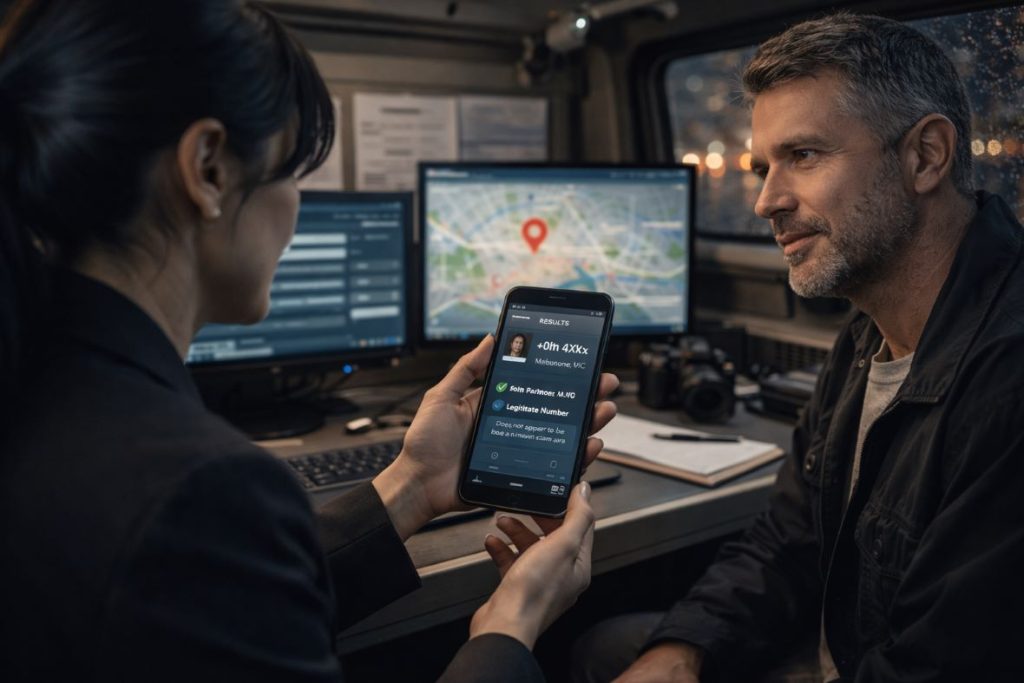
The 2026 landscape of phone tracing is a mix of high-stakes technology and strict legal frameworks. While it’s easier than ever for someone to hide behind a screen, they almost always leave a digital trail that a professional can follow. You don’t have to stay in the dark when you are being harassed or defrauded.
Hiring a Private Investigator gives you access to the tools and expertise needed to navigate these complexities safely. By choosing a professional who understands the modern rules of engagement, you ensure that the truth you find is both accurate and legally sound. When the digital world feels overwhelming, a PI provides a clear, ethical path to the answers you deserve.
Frequently Asked Questions About Phone Tracking
Can a PI see my location in real time 24/7?
No. In 2026, an investigator cannot legally track your live location in real time without your specific consent or a court order. They can, however, reconstruct your past movements using public data and digital footprints if it’s relevant to a case.
Can a PI read my private text messages?
Generally, no. Intercepting live communications is a serious crime. An investigator might be able to see that a message was sent or received from metadata. Still, the actual content of private, encrypted chats is off-limits without a direct subpoena or physical access to the device.
Is phone tracking used for theft recovery?
Yes, it’s one of the primary tools used in conducting loss and Theft Investigations. By linking a number used in a fraudulent transaction to a real-world identity, an investigator can help track down stolen high-value assets and provide the necessary leads for recovery.


